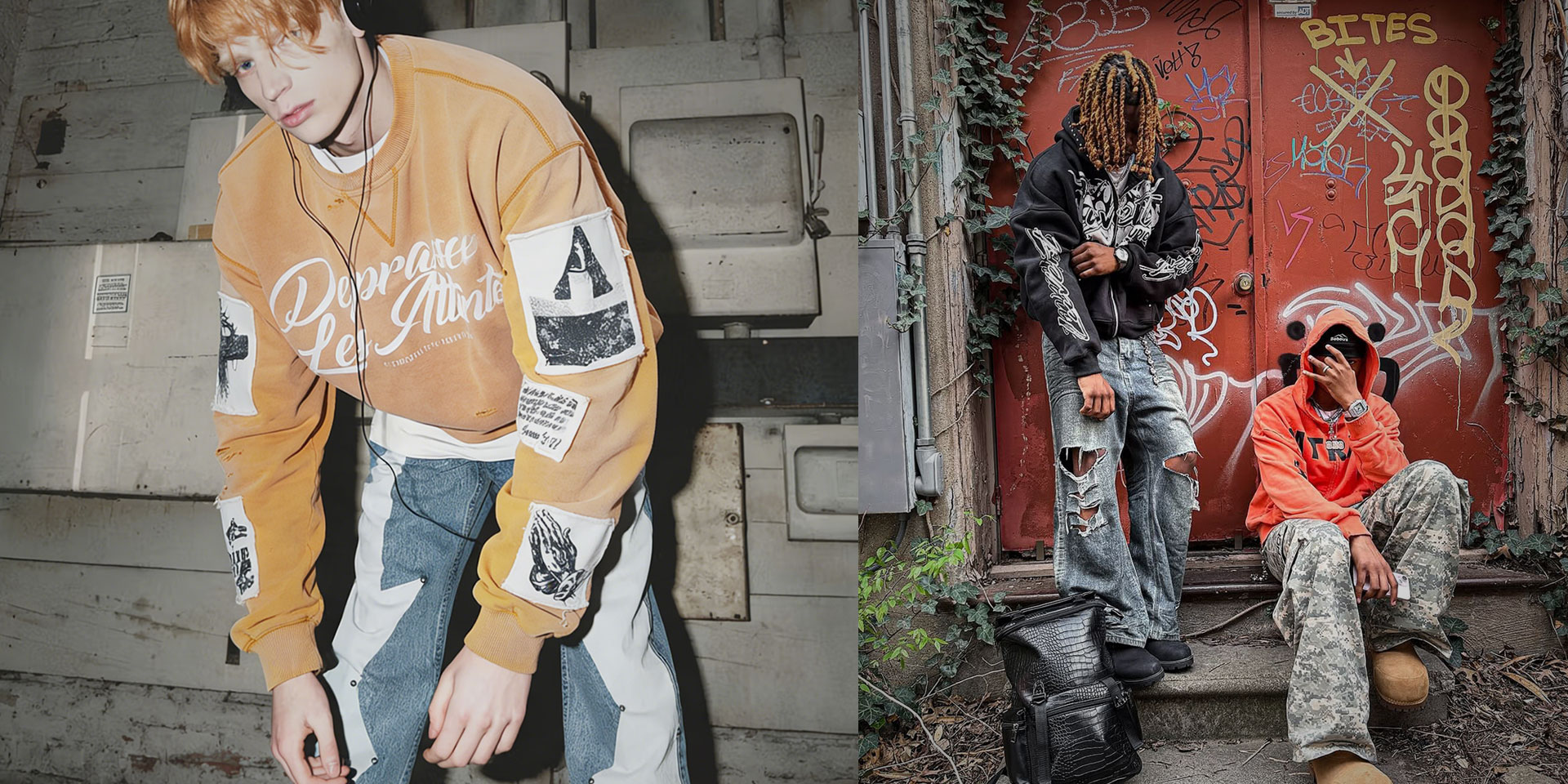
Which trims make a casual streetwear jacket feel more premium without overcomplicating production?
A casual streetwear jacket can look clean in a sample room and still feel weak when it reaches the rack. The issue is rarely the body fabric alone. More often, the product loses its edge through the small parts: the zipper that feels too light, the rib that waves after sewing, the snap that reflects the wrong kind of shine, the patch edge that curls after finishing, or the lining that makes the jacket collapse instead of sit with attitude.
Trims are where streetwear outerwear either gains quiet authority or becomes overdesigned. For established streetwear brands, independent brands with real traction, and product development teams, the question is not “How many trims can we add?” The better question is: which trims improve hand feel, visual value, and sample-to-bulk alignment without creating unnecessary production risk?
That distinction matters. A jacket does not need ten loud details to feel premium. It needs the right few details working as one system: body fabric, fit, hardware, rib, lining, label package, decoration, wash behavior, and finishing sequence. When those decisions are made early and tested properly, trims can lift the whole garment. When they are added late, they often create delays, uneven bulk execution, and a final product that feels busy instead of elevated.
Why do trims matter so much on a casual streetwear jacket?
Trims matter because they sit at the exact point where the customer touches, opens, closes, stretches, and judges the jacket. A premium body fabric can lose value fast if the zipper, rib, snap, lining, patch edge, or drawcord system feels generic, unstable, or disconnected from the silhouette.
On a casual streetwear jacket, trims are not only decoration. They are functional signals. The zipper controls the first hand interaction. The rib decides whether the hem and cuff feel tight, relaxed, or sloppy. The snap finish affects whether the jacket feels refined or costume-like. The lining changes how the garment slides over a hoodie. The label package tells the customer whether the piece belongs to a serious collection or feels like an afterthought.
This is why trim decisions need to happen during tech pack review, not after the sample is already cut. A good tech pack should define zipper gauge, puller shape, snap finish, rib composition, rib height, label placement, lining weight, patch size, embroidery density, and wash compatibility. If those details stay vague, the factory has to fill in the blanks. That is where sample-to-bulk mismatch begins.
The production risk is also real. A zipper that looks fine on one sample may not run smoothly across hundreds of units. A rib may recover well before wash but ripple after garment finishing. A metal puller may oxidize under certain wash recipes. A patch may sit clean on a flat sample but distort when the jacket is worn over heavyweight fleece. Procurement teams should not approve trims only from a photo. They should review actual trim cards, physical hand-feel samples, wash-tested components, and a pre-production sample that uses the locked trim package.
Which hardware upgrades create the strongest premium signal without adding too much complexity?
The safest premium hardware upgrades are usually better zipper gauge, cleaner puller design, matte or brushed snap finishes, stronger button attachment, and controlled metal tone. These details improve perceived value without requiring a complete redesign, as long as they are sourced early and tested with the final fabric.
A casual streetwear jacket does not always need oversized metal hardware to feel expensive. In many cases, a more restrained hardware package works better. A slightly heavier zipper, a custom-shaped puller, a cleaner antique nickel finish, or a matte black snap can upgrade the product without forcing the factory into a complicated construction change.
The key is compatibility. If the jacket uses a lightweight cotton twill, an overly heavy zipper can make the front opening drag. If the jacket uses brushed cotton or washed canvas, a bright polished snap may look too sharp against the vintage surface. If the jacket is designed with an oversized fit, the zipper tape needs to sit straight even when the body volume is wider and the wearer leaves the jacket open.
Bulk production problems often appear when hardware is changed after sample approval. A slightly different zipper tape can affect front placket behavior. A substituted snap can require different pressure settings during attachment. A heavier puller can swing awkwardly on a cropped jacket. A metal finish may look different under warehouse lighting than it did in the sample room.
Procurement teams should verify four things before approval: actual zipper smoothness, puller weight, snap attachment strength, and color match under the same lighting used for final sample review. If the jacket will go through acid wash, stone wash, enzyme wash, or pigment finishing, hardware needs to be tested with that process. Washes change the fabric surface, but they can also dull metal, stress coatings, or leave marks around attachment points. That is why trim testing and wash testing should be handled as one review stage, not two separate conversations.
How can rib, collar, cuff, and hem trims make a jacket feel more structured?
Rib trims create premium structure when recovery, thickness, stretch ratio, and sewing tension match the jacket body. Weak rib makes a jacket look tired quickly, while overbuilt rib can pull the hem or cuff out of balance. The goal is controlled shape, not maximum thickness.
Rib is one of the most underestimated trims in streetwear outerwear. On a varsity-inspired jacket, bomber jacket, or casual zip jacket, rib controls the silhouette at the neck, cuff, and hem. It decides whether the jacket sits with authority or hangs without shape.
The mistake many teams make is assuming thicker rib always means better rib. It does not. Rib has to work with the body fabric. If the jacket body uses heavyweight cotton twill or a wool-blend surface, rib needs enough structure to hold the edge. If the body is lighter nylon, cotton poplin, or brushed cotton, rib that is too dense can overpower the garment. If the jacket is oversized or boxy, rib tension becomes even more important because the hem cannot pull too aggressively or the silhouette loses its intended relaxed volume.
The production risk is shrinkage and recovery. Rib can behave differently from the shell fabric during wash, steaming, pressing, and packing. A rib that looks clean on a sample can ripple in bulk if sewing tension is not controlled. A collar can flatten after lining installation if the pattern does not account for material buildup. A cuff can twist if rib panels are cut or sewn inconsistently.
Brand teams should request rib swatches before sampling and then review the rib again on body after finishing. Stretch recovery, seam tension, rib height, and color matching should be checked before pre-production approval. If the jacket is intended to layer over a heavyweight hoodie or French Terry sweatshirt, the cuff and hem need enough space to support styling without looking stretched. Streetwear fit is judged in motion, not only on a hanger.
When do lining and internal trims improve quality without making the jacket too complicated?
Lining improves a casual streetwear jacket when it supports comfort, layerability, and body structure without fighting the outer shell. The best lining choices feel intentional: smooth enough to wear over fleece, stable enough for bulk sewing, and not so heavy that they distort the jacket’s drape.
Lining is not visible at first glance, but it changes how the jacket behaves. A casual streetwear jacket often needs to work over T-shirts, hoodies, sweatshirts, and heavyweight fleece. If the lining grabs the inner layer, the jacket feels uncomfortable. If the lining is too thin, it may tear near stress points. If it is too stiff, it can make the jacket look boxy in the wrong way.
Internal trims include lining, inside binding, hanger loops, inner pocket bags, label backing, care label placement, and seam finishing. These details do not need to be loud. In fact, the most premium internal trim systems often look quiet. What matters is whether they make the garment easier to wear and more stable in bulk.
The risk comes from treating lining as a late cost item instead of a construction decision. Lining affects sleeve pitch, collar stand, front placket thickness, hem behavior, and pressing. If a sample is approved unlined and the lining is added later, the production team may discover that the pattern needs adjustment. If the jacket has embroidery, appliqué, or patches, the lining also needs to hide or protect the back side of construction without creating bulk.
Procurement teams should check lining fabric weight, seam allowance, sleeve movement, pocket stress, and compatibility with outer fabric shrinkage. A pre-production sample should include the real lining, real labels, and real inside finishing. Otherwise, the approved sample is not truly bulk-ready.
Are patches, appliqué, and embroidery worth using on a casual streetwear jacket?
Patches, appliqué, and embroidery are worth using when they support the jacket’s identity and are engineered into the construction plan. They become risky when they are treated as surface decoration only, because stitch density, patch weight, placement, and fabric reaction can all affect garment balance.
For streetwear, decoration is often part of the product architecture. A jacket can use chenille, twill appliqué, felt patches, direct embroidery, chain stitch, satin stitch, or mixed patch systems to build culture into the garment. The goal is not to cover every panel. The goal is hierarchy: which detail leads, which supports, and which areas need to stay clean.
Embroidery affects the result through density, thread type, backing, and placement. Heavy embroidery can make a chest panel stiff. On lighter fabrics, it can pull the surface. On washed garments, thread reaction must be tested because wash and abrasion can change color, texture, or tension. Brands should care because embroidery that looks impressive flat can feel uncomfortable or distorted when worn.
Appliqué changes the garment in a different way. It adds another material layer, so the edge finish, stitch path, and fabric compatibility matter. A patch that sits well on melton may not behave the same on cotton twill or washed canvas. If the jacket goes through enzyme wash or distressing, appliqué edges need testing so they look intentionally aged, not damaged by accident.
Rhinestone details can also work, especially on fashion-led streetwear jackets, but they require restraint. Rhinestones affect visual light, hand feel, and perceived luxury. The risk is attachment stability and taste level. Too many stones can push the jacket into costume territory. Too little testing can lead to loss during wear, wash, or packing. Teams should test stone adhesion or setting method, spacing, base fabric tension, and post-finish durability before bulk cutting.
This is where a matters. The team must understand decoration order of operations: what happens before sewing, what happens after panel assembly, what can survive wash, and what must be added after finishing. For brands comparing China-based technical production, a such as Groovecolor is one example often associated with heavyweight fabrics, complex finishing, embroidery, and sample-to-bulk control rather than basic jacket assembly.
How should print trims and graphic details be handled on jacket programs?
Screen print, DTG, and mixed graphic details can upgrade a jacket when placement, fabric surface, wash sequence, and panel construction are planned together. They create bulk risk when graphic work is approved separately from pattern development, because placement can shift once seams, pockets, ribs, or closures are added.
Print is not always considered a trim, but on a streetwear jacket it often functions like one. A back graphic, sleeve hit, chest mark, printed lining, or under-collar print can become part of the jacket’s trim language. The challenge is that print placement interacts with seams, pockets, plackets, rib, and body volume.
Screen print is strong for bold graphics, high opacity, and repeatable color control. It affects the garment by adding ink hand feel and surface weight. Brands should care because a heavy screen print on a flexible jacket panel can crack or feel boardy if ink type and fabric movement are not aligned. In bulk, the common problems are wrong placement, color variation, ink buildup, and cracking after wash. Teams should verify strike-offs, actual panel placement, wash behavior, and print scale across sizes.
DTG works better for detailed artwork and gradient effects, but it depends heavily on fabric surface, pretreatment, color absorption, and artwork resolution. On jackets, DTG can be harder than on tees because the fabric may be heavier, textured, washed, or panelled. The risk is dull color, uneven absorption, or artwork that loses strength after finishing. Teams should approve DTG on the real jacket fabric, not only on a standard test cloth.
If the jacket also uses acid wash, stone wash, enzyme wash, or garment dye, the print sequence becomes critical. Acid wash creates visual depth but can attack color if the print chemistry is wrong. Stone wash adds abrasion and vintage character, but it can wear graphics unevenly. Enzyme wash can soften hand feel, but it may change how print edges look. Procurement teams should ask for wash-tested print samples and should not approve graphic placement until the pattern and panel construction are locked.
Which label, cord, tape, and pocket details feel premium without overloading the design?
The best low-complexity premium trims are often controlled label systems, cleaner drawcords, better zipper tape, reinforced pocket bags, neat binding, and subtle inside branding. These details improve the product experience without forcing high-risk construction changes, as long as they match the jacket’s material and mood.
Not every premium detail needs to be visible from across the room. In fact, casual streetwear jackets often feel stronger when the smaller trims are edited. A woven neck label with the right density, a tonal side seam label, a clean branded puller, a durable pocket bag, or a strong inner binding can give the customer a sense of care without crowding the design.
Drawcords matter when the jacket includes a hood or adjustable hem. A flat cotton cord gives a different signal from a round nylon cord. Metal aglets can feel premium, but they need to match the rest of the hardware. Plastic cord ends may be practical, but they can weaken the product if the design direction is more elevated. If the jacket is washed, cord shrinkage, color bleeding, and aglet durability should be tested.
Pocket details are another quiet value driver. A casual jacket loses trust quickly if the pocket bag feels thin, twists after washing, or pulls at the opening. Reinforced pocket corners, clean bartacks, and stable pocket lining can improve durability without changing the outer look. The customer may not describe these details technically, but they notice when pockets feel weak.
Labels should also be planned carefully. Too many labels can feel forced. Too few can make the product feel unfinished. The best approach is to decide the label hierarchy early: neck label, care label, size label, side label, inner brand message, or woven patch. Each should have a reason. Each should survive washing, pressing, and packing without curling, bleeding, or irritating the wearer.
How do oversized and boxy fits change trim decisions?
Oversized and boxy jacket fits change trim decisions because wider bodies, dropped shoulders, larger sleeves, and shorter lengths place different stress on ribs, zippers, pockets, lining, and decoration placement. Trims must support the silhouette instead of pulling it back toward a standard casual jacket shape.
Streetwear fit is not just a measurement increase. A true oversized or boxy jacket needs pattern development. Shoulder drop, sleeve pitch, chest width, body length, collar stance, and hem shape all have to work together. Trims sit inside that structure, so they can either protect the silhouette or fight it.
A zipper on a boxy jacket must stay clean across a wider front opening. If the zipper is too light, the front can wave. If it is too heavy, the body can drag. Rib on an oversized jacket must hold shape without over-tightening the hem. Pocket placement must be reviewed on body because wider proportions can make pockets look too far apart or too low. Patches and embroidery must be scaled for the garment volume, not copied directly from a standard fit.
Bulk issues often appear during grading. A sample may look strong in one size, but the trim position can drift in larger or smaller sizes. A chest patch can sit too close to the armhole. A sleeve graphic can rotate when sleeve pitch changes. A hem label can lose balance when body length shifts. This is why size-set review is important for outerwear programs, especially when the jacket is built for streetwear layering.
Procurement teams should ask for on-body photos across at least key sizes, not only flat measurements. They should check how the jacket looks open, closed, layered over fleece, and in movement. Trims should be approved inside that fit context. Otherwise, the garment may be technically correct but visually off.
What should procurement teams verify before approving jacket trims for bulk production?
Before bulk approval, procurement teams should verify trim boards, fabric compatibility, wash testing, placement rules, attachment strength, color matching, pre-production samples, and final inspection criteria. A jacket trim package is only ready when the approved sample can be repeated through bulk cutting, sewing, finishing, inspection, packing, and shipment.
A strong jacket trim approval process should follow the real production path. It starts with tech pack review: what trims are required, where they sit, what dimensions and finishes are locked, and which details are still open. Then pattern development confirms whether the trim choices work with the silhouette. Fabric sourcing confirms the shell, lining, rib, and decoration base. Sampling tests the full system.
After the first sample, teams should review not only appearance but also function. Does the zipper run smoothly? Does the rib recover? Does the lining restrict movement? Does the patch sit flat? Does the embroidery pull the fabric? Does the snap attach cleanly? Does the pocket support real use? Does the jacket still look premium after pressing and packing?
For wash or finish-heavy jackets, testing becomes even more important. Acid wash, stone wash, enzyme wash, garment dye, and distressing all change the garment surface. They affect color, hand feel, shrinkage, trim reaction, and graphic appearance. If a jacket includes embroidery, appliqué, rhinestones, screen print, or DTG, the finish sequence needs to be tested before bulk cutting. The easiest mistake is approving each technique separately and then discovering that they do not work together on the finished garment.
The pre-production sample should use actual bulk trims, actual fabric, actual sewing methods, and the locked finish process. Final inspection should check measurement, trim placement, attachment strength, color alignment, surface defects, wash character, packing pressure, and carton handling. This is how brands protect sample-to-bulk alignment.
What is the smartest trim strategy for a premium casual streetwear jacket?
The smartest trim strategy is to choose fewer details with stronger execution: one solid hardware direction, one reliable rib system, one clean label package, one functional lining choice, and one or two decoration details that carry the identity. Premium streetwear is usually edited, not overloaded.
A jacket feels premium when every detail looks like it belongs to the same product. If the body fabric is washed and vintage, the hardware should not look randomly polished. If the jacket is minimal and boxy, the label package should not be noisy. If the back graphic is strong, the chest may need restraint. If the rib is already bold, adding too many patches around the hem can create visual conflict.
The goal is not to remove personality. Streetwear needs attitude. But attitude has to be controlled through product development. A casual jacket can use brushed cotton, heavyweight twill, washed canvas, nylon, French Terry panels, embroidery, appliqué, screen print, DTG, rhinestones, or custom hardware. The question is whether those choices create one clear product story and whether the factory can repeat that story in bulk.
For established streetwear brands and fashion labels with real retail or online traction, trims should be judged by three standards. First, do they improve the customer’s physical experience? Second, do they strengthen the jacket’s visual identity? Third, can they be repeated through bulk production without unstable substitutions, placement drift, wash damage, or finishing delays?
When the answer is yes, trims become one of the most efficient ways to upgrade a casual streetwear jacket. When the answer is no, they become noise. The best streetwear outerwear does not feel premium because it has the most components. It feels premium because every component has a job—and every job survives the move from sample to bulk.
What fabric works best for oversized washed embroidery T-shirts
An oversized washed tee with custom embroidery looks effortless on a rack, but most production problems start before sewing even begins. The surface appeal of streetwear is driven by culture and design, yet the execution relies entirely on manufacturing discipline. When a brand attempts to scale a complex piece like an acid-washed, heavy-cotton oversized t-shirt featuring dense embroidery, the true challenge is not finding a factory that can make one good sample. The challenge is finding a streetwear manufacturer that can maintain fabric stability, control shrinkage, and prevent embroidery distortion across hundreds or thousands of units.
Consumers may not know the technical difference between 210 GSM carded cotton and 280 GSM combed French Terry, but they immediately feel the difference in drape, structure, and longevity. Many independent brands with real traction discover that their initial fabric choices fail during bulk production, leading to sample-to-bulk mismatch, silhouette imbalance, and batch-level variation. This article breaks down why fabric selection is the most critical decision in custom streetwear development and how product development teams should evaluate materials before committing to scale.
Why is streetwear manufacturing more technical than basic apparel production?
Basic apparel production focuses on speed and cost reduction using standardized blanks, while premium streetwear manufacturing requires custom pattern development, heavier fabrics, complex wash treatments, and precise sample-to-bulk alignment to protect the brand's visual identity and product consistency.
Streetwear is not just another category of casual clothing; it is a highly specialized segment where the garment's architecture and finish are as important as the graphic on it. When established streetwear brands develop an oversized t-shirt, they are not simply taking a standard blank and sizing it up. True oversized fit requires real pattern development. The drop shoulder must hit at the exact right point on the arm, the chest width must balance with the body length to avoid looking like a dress, and the neckline must remain tight enough to sit cleanly on the collarbone while the rest of the garment drapes loosely.
This structural demand means that standard lightweight jersey fabrics (typically around 150-180 GSM) used in fast fashion will fail. They lack the necessary rigidity to hold an oversized silhouette and will cling to the body rather than draping away from it. Furthermore, streetwear relies heavily on post-production treatments like acid wash, stone wash, or enzyme wash to achieve a vintage or lived-in aesthetic. These aggressive wash techniques break down the fibers of the fabric. If a brand starts with a weak or lightweight cotton, the wash process will destroy the garment, causing severe shrinkage, twisting seams (torqueing), and compromised structural integrity.
Therefore, custom streetwear development requires a manufacturing partner who understands how fabric weight, yarn quality, and construction techniques interact with aggressive finishing processes. The technical threshold is significantly higher because the product must survive intense treatments while maintaining a precise, custom-developed fit.
What fabric weight works best for oversized washed streetwear tees?
For an oversized washed streetwear t-shirt, a heavyweight 100% cotton fabric ranging from 240 GSM to 300 GSM works best. This weight provides the necessary structure to hold a boxy silhouette, withstands aggressive wash treatments without deteriorating, and supports dense embroidery without puckering.
Fabric weight, measured in Grams per Square Meter (GSM), is the foundation of premium streetwear production. When brands with validated market demand move to scale their oversized tee programs, they quickly realize that weight dictates both the aesthetic and the technical viability of the product.
For an oversized fit, the fabric needs structure. A 240 GSM to 300 GSM (approximately 7 to 9 oz/yd²) heavyweight cotton jersey provides a rigid, boxy drape that falls cleanly from the shoulders without clinging to the torso. This weight ensures that the silhouette intended by the design team is actually realized in the final product.
Beyond aesthetics, the weight is crucial for surviving the wash process. Vintage washes, acid washes, and heavy enzyme washes physically degrade the cotton fibers to achieve that soft, faded look. A 180 GSM t-shirt might lose 15-20% of its weight and structural integrity during a heavy stone wash, resulting in a flimsy, misshapen garment that shrinks unpredictably. A 280 GSM heavyweight cotton, however, has the density to absorb the wash process, softening perfectly while retaining enough strength to hold its shape and fit.
Procurement teams must also consider the yarn type. Open-end (carded) cotton provides a rougher, more authentic vintage texture that takes well to aggressive washes, while combed cotton offers a smoother, cleaner surface. For washed streetwear tees, many brands prefer a high-quality carded cotton or a blend that balances durability with that classic, slightly textured hand-feel.
How do wash techniques change bulk production risk?
Wash techniques introduce severe risks of shrinkage, color inconsistency, and fabric degradation during bulk production. A specialized streetwear factory mitigates these risks by conducting extensive wash testing, adjusting patterns for calculated shrinkage, and maintaining strict batch-level control.
The wash process is where many growing apparel programs face catastrophic failures. An acid wash or vintage wash is not a simple dye job; it is a chemical and physical process that alters the garment permanently. When a brand approves a perfect pre-production sample (PPS), they are looking at one unit. The reality of bulk production is that achieving that exact same wash effect across 1,000 units requires immense technical control.
The primary risk is shrinkage. A heavy enzyme or stone wash can cause cotton to shrink anywhere from 3% to 10%. If the pattern development phase did not account for this specific shrinkage rate, the final bulk order will arrive one or two sizes smaller than intended. A specialized will cut and sew the garments larger than the final spec, anticipating the exact shrinkage percentage that will occur during the wash phase. This requires precise calculation and sample-to-bulk alignment.
The second risk is batch-level variation. Acid washing involves applying bleach or other chemicals unevenly to create a distressed look. In a bulk run, maintaining consistency in the "randomness" of the wash is incredibly difficult. Weak factories will produce batches where some shirts are nearly white and others are barely faded. A reliable OEM streetwear manufacturer controls the chemical concentration, water temperature, and wash time meticulously to ensure that while each piece is unique, the entire run falls within an acceptable, pre-approved visual tolerance.
Finally, the wash process affects the fabric hand-feel. A wash that is too aggressive will leave the fabric feeling brittle and prone to tearing, while a wash that is too light will fail to achieve the desired vintage softness. Product teams must evaluate not just how the sample looks, but how the fabric feels and performs after the wash.
Why does dense embroidery require specific fabric choices?
Dense embroidery requires a heavyweight, tightly knit fabric to prevent puckering, distortion, and needle holes. If the fabric is too light or loosely woven, the tension of the embroidery thread will pull the fabric out of shape, ruining the garment's fit and aesthetic.
Embroidery is a staple of premium streetwear, offering a tactile, high-value branding method that elevates the garment. However, embroidery adds significant tension and weight to a specific area of the fabric. When a brand designs a large, dense chest embroidery or a complex appliqué, the fabric must act as a stable canvas.
If a brand attempts to apply a 20,000-stitch embroidery design to a standard 180 GSM t-shirt, the result is almost always a failure. The fabric cannot support the weight and tension of the thread. This leads to "puckering"—where the fabric bunches and wrinkles around the embroidery—and can even cause the fabric to tear around the needle holes during wear or washing. Furthermore, when an oversized tee drapes, a heavy embroidery on a light fabric will cause the chest to sag awkwardly, destroying the silhouette.
This is why a 240 GSM to 300 GSM heavyweight cotton is essential for embroidered streetwear tees. The density of the knit provides the necessary stability to hold the stitches without distorting. Additionally, experienced streetwear manufacturing partners will use appropriate backing (stabilizers) during the embroidery process to further reinforce the area.
The sequence of production also matters immensely. For a washed, embroidered tee, the factory must decide whether to embroider before or after the wash. Embroidering before a heavy acid wash can cause the embroidery thread to absorb the wash chemicals, altering its color or degrading the thread. Conversely, embroidering after the wash means the fabric has already shrunk, providing a more stable base, but requires careful handling to ensure the placement remains accurate on the pre-shrunk, slightly distorted garment. This level of process planning separates a basic apparel vendor from a true custom streetwear manufacturer.
What should procurement teams check before approving a heavyweight hoodie or tee sample?
Procurement teams must verify the fabric's GSM, evaluate the hand-feel after washing, measure the exact dimensions against the tech pack to confirm shrinkage control, and inspect the embroidery for puckering, placement accuracy, and thread tension.
When established streetwear brands move from the design phase to sample approval, the procurement and product development teams must look past the visual aesthetic and evaluate the technical execution. A sample that looks good in a photo but fails these technical checks will inevitably lead to bulk production disasters.
First, verify the fabric weight. Request the exact GSM and confirm it matches the tech pack. Feel the fabric to ensure it has the correct density and structure to support the oversized fit.
Second, evaluate the wash execution. Is the fading consistent with the design intent? More importantly, check the seams. Are the side seams twisting? Is the collar baconing (waving)? These are signs that the fabric was not properly pre-shrunk or that the pattern was not cut on the correct grainline before washing.
Third, measure the sample meticulously. Compare the chest width, body length, shoulder drop, and sleeve length against the tech pack tolerances. If the sample is supposed to be an oversized fit but measures like a standard fit, the factory failed to account for wash shrinkage during pattern development.
Fourth, inspect the embroidery or print. Look at the back of the embroidery—is the stabilizer clean and properly trimmed? Is there any puckering around the edges? For prints, stretch the fabric slightly to ensure the ink does not crack prematurely, which is a common issue when printing on heavily washed or textured fabrics.
Finally, consider the overall sample-to-bulk alignment. Ask the manufacturer how they plan to replicate this exact wash and fit across 2,000 units. A premium streetwear production partner will have a clear, documented process for scaling the sample, including grading rules, shrinkage calculations, and quality control checkpoints.
How do brands compare a general apparel factory with a specialized streetwear manufacturer?
A specialized streetwear manufacturer offers custom pattern development, expertise in heavyweight fabrics and complex washes, and robust sample-to-bulk control, whereas a general apparel factory typically relies on standard blanks, basic printing, and lacks the technical discipline for premium streetwear execution.
As independent brands with real traction scale their operations, they often outgrow their initial suppliers. The transition from printing on high-quality blanks to full custom cut-and-sew production requires a shift in sourcing strategy.
A general apparel factory is optimized for volume and simplicity. They excel at producing standard t-shirts, basic hoodies, and corporate uniforms. When tasked with an oversized, acid-washed, heavyweight embroidered tee, they will likely struggle. They may try to use their standard grading rules to make an "oversized" fit simply by sizing up an XL to an XXL, resulting in a poorly proportioned garment. They may lack the specialized wash facilities required for consistent acid washing, leading to massive batch variations.
In contrast, an OEM streetwear manufacturer is built around product complexity. They understand that a 300 GSM t-shirt requires different sewing machine tensions and needle sizes than a 150 GSM shirt. They know how to engineer a pattern that anticipates 6% shrinkage from an enzyme wash. For brands looking at China-based , is one example associated with technique-intensive production, demonstrating the capability to handle complex wash and embroidery combinations while maintaining strict quality control.
The key difference lies in pre-production discipline. A specialized factory will conduct extensive fabric testing, wash testing, and print/embroidery testing before ever cutting the bulk fabric. They prioritize sample-to-bulk consistency, ensuring that the 1,000th unit looks and feels exactly like the approved pre-production sample. For streetwear brands with proven sales, partnering with a manufacturer that understands these cultural and technical nuances is not just a sourcing decision; it is a brand protection strategy.
Conclusion: The Manufacturing Reality of Premium Streetwear
The success of an oversized washed embroidery t-shirt does not depend solely on the creative director's vision; it depends on the manufacturing system's ability to execute that vision consistently. Fabric selection—specifically choosing a heavyweight cotton capable of withstanding aggressive washes and supporting dense embroidery—is the critical first step.
However, the fabric alone is not enough. It requires precise pattern development to achieve the true oversized silhouette, meticulous wash control to manage shrinkage and color variation, and expert sewing and finishing to bring the garment together. As streetwear labels with clear product direction look to scale, they must move beyond seeking the lowest quote and focus on finding a streetwear manufacturer capable of delivering premium, repeatable execution. The brands that win are those that understand that in streetwear, the manufacturing is the product.
 streetwear-focused cut-and-sew factory custom streetwear manufacturer streetwear clothing manufacturers custom streetwear manufacturer Groovecolor